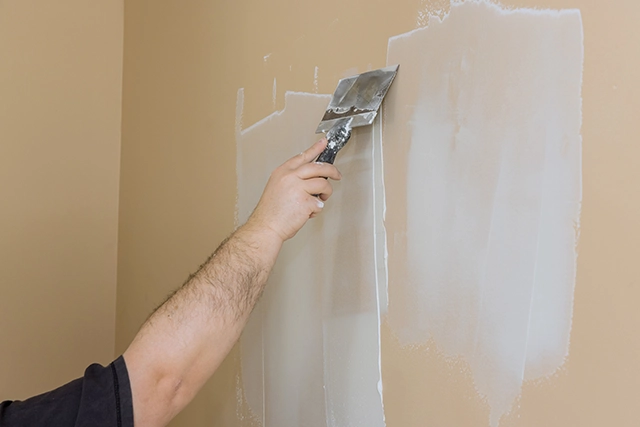
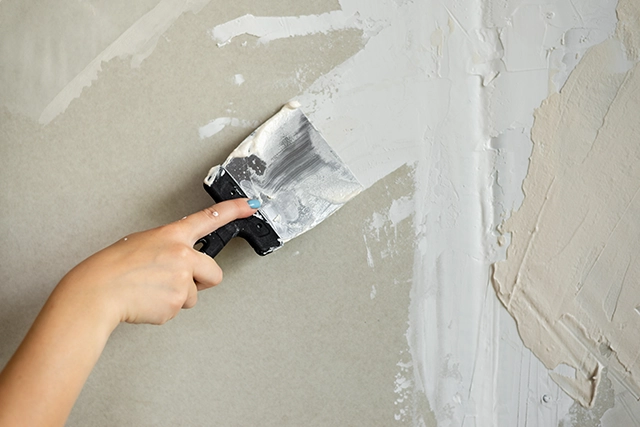
A new room starts to feel finished when the wall surface becomes straight, secure, and ready for daily use. Guecon Painting installs drywall for homes and commercial spaces in San Jose, CA, with attention to panel fit, fastening, and joint layout. Every sheet has a job. The gypsum board covers the framing, screws hold each panel firmly, and properly placed seams help create an even wall plane.
For homeowners, this means bedrooms, living areas, garages, and remodeled spaces gain dependable interior walls without uneven edges or loose panels. For business owners, offices, retail areas, tenant improvements, and workspaces get wall systems installed with use in mind.
We measure each section before cutting, position panels to reduce unnecessary seams, and keep openings clear for doors, outlets, vents, and fixtures. You receive a wall surface that fits the structure correctly and supports the finished interior.
Good installation depends on more than attaching boards to studs. Panel thickness, board type, framing spacing, room use, and ceiling height all affect how the wall system should be planned. We look at these details before the first sheet is secured, giving you a cleaner, more reliable fit.
Our drywall installation work may include:
For residential projects, careful board placement helps rooms feel straight and consistent. In commercial settings, organized installation supports offices, partitions, and corridors. Each panel connects to the framing, and each fastening point helps the finished wall stay stable.
You can see the difference as soon as bare studs begin turning into defined rooms. The first panels establish the wall lines. Corners become clear. Door openings take shape. Ceiling surfaces close in. The space starts reading like a usable interior with clear boundaries, steady wall lines, and defined ceiling planes. Our crew plans sheet direction and cut locations so the drywall follows the framing.
We check edges before fastening, keep panel joints supported, and avoid crushing the gypsum core with overdriven screws. A damaged edge or unsupported seam can affect the surface later. Homes in San Jose may need drywall for additions, garages, or newly framed spaces. Commercial properties often need it for offices, suites, partitions, and updated floor plans. Install the correct board, place it accurately, and create a firm interior wall system that feels properly and securely built for reliable use.
A properly installed wall should feel solid before the space is fully finished. Panels should sit flat against the framing. Fasteners should hold without tearing the paper face. Openings should line up with electrical boxes, doors, vents, and. Corners should meet cleanly, and ceiling boards should stay supported across the framing.
When we install drywall in San Jose properties, we focus on visible and hidden drywall installation details throughout:
For you, these details lead to straighter rooms and a dependable finished interior. Guecon Painting carefully installs each sheet with the room’s dimensions, structure, and long-term everyday use in mind.
We plan drywall sheet placement around wall size, framing, corners, and openings before installation begins. This helps limit awkward cuts and weak edge areas, giving your home or commercial space a cleaner, steadier wall structure from the start.
We choose drywall board based on where it will be installed, including wall height, room use, and moisture exposure. Using the right gypsum panel helps your walls perform better and gives you more confidence in the finished interior space.
We pay close attention to inside and outside drywall corners because poor alignment can affect the entire wall surface. Careful corner setup helps walls meet evenly, keeps room lines neat, and gives your space a more finished, dependable feel.
Yes, in some rooms, drywall can be installed over an existing surface when the base is stable, dry, and firmly attached. The wall must still provide enough support for the new drywall sheets and allow safe fastening into framing. A proper check before installation helps prevent loose panels, uneven areas, and hidden wall problems.
Drywall should remain protected from moisture before, during, and after installation so the gypsum core stays firm. If sheets absorb too much water, they may swell, soften, or lose strength around the edges and fastener areas. Keeping new drywall dry helps protect its shape and gives the wall system a stronger base.
Yes, drywall can play a role in reducing sound when the wall assembly is built with the right number and type of panels. Heavier boards or extra drywall layers can help lower the amount of sound passing through shared interior walls. The final sound control depends on the full wall setup, including cavity depth, panel mass, and wall construction.
Ceiling drywall thickness depends on framing spacing, sheet weight, and the amount of support above the panel. Using board that is too thin for a wide ceiling span can increase the risk of sagging over time.
Selecting the correct ceiling board helps the surface stay flatter and better supported after installation.
A small gap is often left between drywall panels and the floor to keep the board from resting directly on the surface. This helps reduce moisture contact at the bottom edge and gives the sheet room to sit correctly during installation. The gap is planned as part of proper drywall placement, especially near concrete or other moisture-prone floors.
Guecon Painting refreshes homes and businesses with skilled painting, neat application, rich color, and dependable care without leaving any gaps behind.